DIY vs. Professional Mold Remediation: What New Providence Homeowners Need to Know
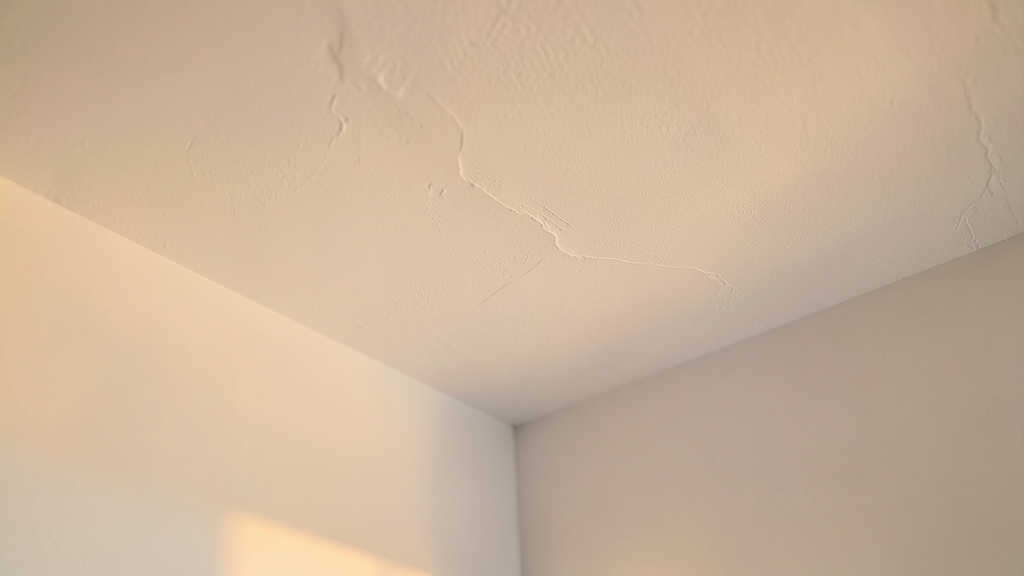
Mold in your New Providence home isn’t just an eyesore—it’s a health hazard that can spread rapidly if not handled correctly. While DIY fixes might seem tempting, professional remediation often delivers safer, more thorough results. We break down the key differences so you can make an informed decision.
Understanding Mold in New Providence Homes
New Providence’s humid summers and wet springs create ideal conditions for mold growth, especially in basements, crawl spaces, and attics. Even minor water intrusion from heavy rains or poor drainage can trigger outbreaks.
Mold thrives on organic materials like drywall, wood, and insulation. Left unchecked, it can compromise structural integrity and indoor air quality, posing risks to respiratory health.
When DIY Mold Removal Makes Sense
Small, surface-level mold (under 10 square feet) on non-porous materials like tile or glass can often be tackled with DIY methods. Use EPA-approved cleaners and proper PPE to avoid exposure.
DIY is also suitable for preventive measures, such as improving ventilation in bathrooms or using dehumidifiers in damp areas like basements or crawl spaces in Berkeley Heights or Summit.
Always wear gloves, N95 masks, and eye protection when handling mold. Never use bleach on porous surfaces—it doesn’t kill root spores and can worsen moisture issues.
The Limits of DIY Mold Remediation
DIY approaches often fail for hidden mold behind walls, under flooring, or in HVAC systems. Without proper containment, disturbing mold can release spores into the air, worsening contamination.
Porous materials like drywall or carpeting usually require removal, not just cleaning. DIY efforts may miss underlying moisture sources, leading to recurrence within weeks.
Improper remediation can agitate mold, spreading spores to unaffected areas. This is especially risky in multi-level homes or shared buildings.
Why Professional Mold Remediation Is Often the Better Choice
Our team uses advanced tools like moisture meters, thermal imaging, and air quality testing to locate hidden mold and its source. We don’t just treat the symptom—we address the root cause.
Professionals employ containment barriers and HEPA air scrubbers to prevent cross-contamination during removal. This is critical for large infestations or toxic black mold, which requires careful handling.
Professional vs. DIY: A Side-by-Side Comparison
The choice between DIY and professional remediation depends on the scope, location, and type of mold. Below, we compare key factors to help you decide.
| Factor | DIY | Professional |
|---|---|---|
| Scope | Small, surface-level (under 10 sq ft) | Any size, including hidden or widespread |
| Safety | Risk of exposure without proper PPE | Full PPE, containment, and air filtration |
| Effectiveness | Temporary fix; may miss root causes | Thorough removal and moisture control |
| Equipment | Basic cleaners, scrub brushes | HEPA vacuums, air scrubbers, moisture meters |
| Long-Term Prevention | Limited; may recur without moisture fixes | Includes moisture control and prevention strategies |
| Cost Factors | Low upfront (supplies only) | Varies by scope; request a quote for accuracy |
The Professional Mold Remediation Process
We start with a comprehensive mold inspection and air quality testing to assess the extent of contamination. This step is crucial for developing a targeted remediation plan.
Next, we isolate the affected area with plastic sheeting and use negative air pressure to prevent spores from spreading. All contaminated materials are safely removed and disposed of according to NJ regulations.
After removal, we apply antimicrobial treatments to kill remaining spores and prevent regrowth. The final step is moisture control—fixing leaks, improving ventilation, or recommending dehumidifiers for areas like crawl spaces in Springfield Township or Mountainside.
Signs You Need a Professional
If mold covers more than 10 square feet, or if it’s in your HVAC system, it’s time to call experts. The same goes for mold returning after DIY cleaning—this signals an unresolved moisture issue.
Musty odors without visible mold often indicate hidden growth behind walls or under flooring. Professional testing can confirm its presence and location.
Red Flags for Professional Help
- Mold covers a large area (over 10 sq ft)
- Mold returns after cleaning
- Strong musty odors persist
- Health symptoms (e.g., allergies, respiratory issues) worsen indoors
- Mold is in HVAC ducts or hard-to-reach areas
- Water damage is present (e.g., stains, warping, peeling paint)
Cost Factors in Mold Remediation
The cost of professional remediation depends on several factors, including the size of the affected area, type of mold, and extent of water damage. Accessibility (e.g., attics or crawl spaces) and the need for structural repairs also play a role.
While DIY may seem cheaper upfront, recurring mold due to incomplete removal can lead to higher long-term costs. For an accurate estimate, request a quote—we’ll assess your specific situation in New Providence or nearby areas like Berkeley Heights.
How to Prevent Mold Growth After Remediation
Prevention is key to avoiding future mold issues in your home.
- 1Control Humidity
Use dehumidifiers in basements, crawl spaces, and bathrooms to keep humidity below 50%. This is especially important during New Providence’s humid summers.
- 2Fix Leaks Promptly
Inspect pipes, roofs, and windows for leaks. Even small drips can lead to mold growth over time.
- 3Improve Ventilation
Ensure proper airflow in high-moisture areas like kitchens, bathrooms, and attics. Exhaust fans and open windows help reduce moisture buildup.
- 4Use Mold-Resistant Products
Opt for mold-resistant drywall, paint, and insulation in areas prone to dampness, such as basements or bathrooms.
- 5Regular Inspections
Schedule annual mold inspections, especially if your home has a history of water damage or high humidity. Early detection saves time and money.
- 6Clean and Dry Water Damage Immediately
If flooding or water intrusion occurs, dry the area within 24-48 hours to prevent mold spores from taking hold.
Frequently Asked Questions
How do I know if my New Providence home has toxic black mold?
Black mold (Stachybotrys) is often dark green or black and has a slimy texture. However, visual identification isn’t enough—professional mold testing is the only way to confirm its presence and toxicity. If you suspect black mold, avoid disturbing it and contact experts immediately.
Can I paint over mold to hide it?
No. Painting over mold only masks the problem temporarily. The mold will continue to grow beneath the paint, eventually causing peeling, bubbling, or health issues. Always remove mold and address the moisture source before repainting.
Is mold remediation covered by homeowners insurance in NJ?
It depends on your policy and the cause of the mold. If mold results from a covered peril (e.g., a burst pipe), your insurance may cover remediation. However, mold due to neglect or high humidity is typically not covered. Check your policy and consult your insurer.
How long does professional mold remediation take in New Providence?
Most small to medium projects take 1-3 days, while larger or complex infestations (e.g., in attics or crawl spaces) may require up to a week. The timeline depends on the scope, accessibility, and drying time for treated areas.
What’s the difference between mold removal and mold remediation?
Mold removal refers to eliminating visible mold, while remediation addresses the root cause (e.g., moisture) and prevents recurrence. Remediation includes containment, cleaning, and prevention strategies to ensure long-term results.
Do you serve areas near New Providence, like Summit or Berkeley Heights?
Yes, we provide mold inspection, testing, and remediation services across New Providence and surrounding areas, including Summit, Berkeley Heights, Springfield Township, and Mountainside. Our team is familiar with local climate challenges and building codes.