From Bad to Worse: How DIY Mold Removal Can Damage Your New Providence Home
That dark patch in your basement or attic isn’t just an eyesore—it’s a living colony that DIY fixes often make worse. We’ve seen well-meaning homeowners in New Providence turn a containable issue into a full-blown infestation by disturbing spores without proper safeguards. Professional remediation isn’t just thorough; it’s the only way to ensure mold doesn’t come back stronger.
Why DIY Mold Removal Backfires in Humid Climates Like Ours
New Jersey’s humid summers and damp springs create ideal conditions for mold to thrive—especially in basements, crawl spaces, and attics. DIY attempts often overlook hidden moisture sources, allowing colonies to regrow within weeks.
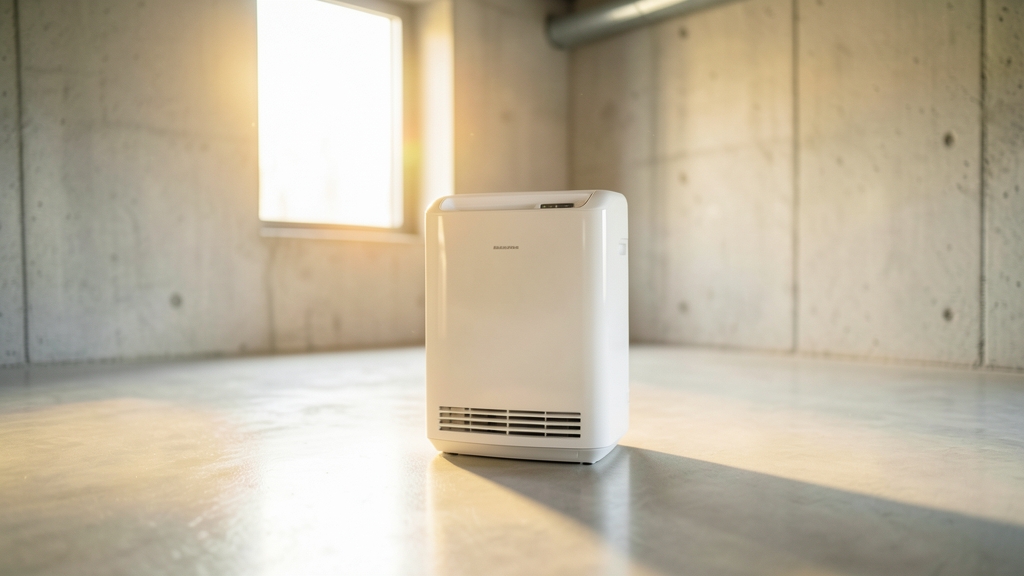
Without industrial-grade dehumidifiers and air movers, residual moisture lingers. This is why we always pair mold removal with moisture control to break the cycle.
The Hidden Risk: Spreading Spores Throughout Your Home
Disturbing mold without containment releases millions of spores into the air. These microscopic particles travel through HVAC systems, settling in Berkeley Heights or Summit homes just as easily as in New Providence.
Improper cleaning—like bleaching porous materials—kills surface mold but leaves roots intact. Spores then spread to drywall, insulation, and furniture, making the problem far worse.
Bleach is ineffective on porous surfaces and can worsen spore dispersion. Professional antimicrobial treatments penetrate deep to kill mold at the root.
Health Hazards You Can’t See (or Smell)
Not all mold is visible. Toxic varieties like Stachybotrys (black mold) release mycotoxins that trigger respiratory issues, headaches, and long-term health problems—even if you don’t see or smell it.
DIYers often miss mold hidden behind walls or under flooring. Without air quality testing, you won’t know if your family is breathing in dangerous spores.
Structural Damage That DIY Can’t Fix
Mold doesn’t just stain—it decomposes wood, drywall, and insulation. In crawl spaces and basements common to Springfield Township and Mountainside homes, prolonged infestations can compromise structural integrity.
Professional remediation includes repairing or replacing damaged materials. DIY fixes often mask the problem, leading to costly repairs down the line.
| Factor | DIY Approach | Professional Approach |
|---|---|---|
| Spore Containment | None; spores spread via air currents | Full containment with negative air pressure and HEPA filtration |
| Moisture Source Identification | Often missed, leading to regrowth | Thermal imaging and moisture meters pinpoint hidden leaks |
| Long-Term Prevention | Temporary; mold returns without moisture control | Dehumidification, encapsulation, and antimicrobial treatments |
| Health Safety | Risk of exposure to mycotoxins | PPE, air scrubbers, and post-remediation testing ensure safety |
The Right Tools for the Job
Effective mold remediation requires more than a scrub brush. We use HEPA vacuums, air scrubbers, and antimicrobial sprays to ensure thorough removal and prevention.
Protective gear isn’t optional. N95 respirators, gloves, and full-body suits shield our team from spores—equipment most homeowners don’t own or know how to use properly.
Essential Professional Mold Remediation Tools
- HEPA air scrubbers for spore filtration
- Negative air pressure machines to prevent cross-contamination
- Moisture meters and thermal imaging cameras
- Antimicrobial and encapsulating sealants
- Personal protective equipment (PPE) for all technicians
When to Call a Professional (Hint: It’s Sooner Than You Think)
If mold covers more than 10 square feet, or if it’s in your HVAC system, crawl space, or attic, DIY isn’t an option. These areas require specialized equipment and expertise.
Water damage from bursts or leaks in basements or attics? Mold can start growing within 24–48 hours. Fast action with professional water damage restoration prevents infestations before they start.
What Professional Mold Remediation Actually Involves
We start with a thorough mold inspection and air quality testing to assess the scope. This step is critical—what you see is often just the tip of the iceberg.
Containment barriers isolate the affected area. Then, we remove contaminated materials, clean surfaces with antimicrobial treatments, and address moisture sources. Post-remediation testing confirms the job is done right.
Preventing Mold in New Providence’s Unique Conditions
Our area’s older homes and dense neighborhoods mean moisture problems are common. Regular inspections, especially after heavy rains or flooding, can catch issues early.
Crawl space encapsulation and basement dehumidifiers are game-changers for homes in New Providence, Berkeley Heights, and Summit. These solutions keep humidity in check year-round.
Install a hygrometer to monitor humidity levels. Aim to keep indoor humidity below 50% to inhibit mold growth.
How to Respond If You Find Mold in Your Home
Acting quickly and correctly can prevent a small issue from becoming a major headache.
- 1Isolate the Area
Close off the room or space to limit spore spread. Avoid running HVAC systems, which can distribute spores throughout the home.
- 2Do Not Disturb the Mold
Resist the urge to scrub or spray it. Disturbing mold releases spores into the air, worsening the problem.
- 3Turn Off Water Sources
If the mold is due to a leak or water intrusion, shut off the water supply to prevent further damage.
- 4Contact a Professional
Schedule a mold inspection and testing. A team will assess the extent and create a remediation plan.
- 5Address Moisture Immediately
Use fans or dehumidifiers to dry the area temporarily, but leave full remediation to the experts.
Frequently Asked Questions
Can I remove mold myself if it’s a small patch?
For very small, non-porous surfaces (like tile), you might clean it with detergent and water—but only if you’re certain it’s isolated. Porous materials (drywall, carpet) or larger areas require professional remediation to prevent regrowth and spore spread.
How do I know if mold is toxic?
Without testing, it’s impossible to tell. Black mold (Stachybotrys) is one of many toxic varieties, but even non-toxic mold can cause health issues. Air quality testing identifies the type and concentration of spores in your home.
Why is mold more common in New Providence basements?
Our region’s high water table, older construction, and humid climate create perfect conditions for basement moisture. Poor drainage, cracks in foundations, and lack of ventilation exacerbate the problem, making basements a hotspot for mold.
Does homeowners insurance cover mold remediation?
It depends on the cause. If mold results from a covered peril (like a burst pipe), insurance may pay for remediation. However, mold due to neglect or long-term moisture issues is typically excluded. Always check your policy and document the damage.
How long does professional mold remediation take?
Most residential jobs take 1–5 days, depending on the size and severity of the infestation. Larger or commercial projects in areas like Springfield Township or Mountainside may take longer. The key is thoroughness—rushing the process risks incomplete removal.
What’s the difference between mold removal and mold remediation?
Removal refers to eliminating visible mold, while remediation addresses the root cause—moisture—to prevent regrowth. True remediation includes containment, cleaning, moisture control, and post-remediation testing to ensure the problem is fully resolved.